
Archive for the ‘Uncategorized’ Category

The Benefits of Singing in a Group for Kids

Thursday, September 10th, 2026

Group singing builds confidence, teamwork, emotional regulation and vocal skill faster than solo practice, and the research backing these benefits of singing in a group is clear. When children take part in choir singing or choral singing, they develop social bonds, learn to listen and support one another, and gain the kind of stage presence that solo lessons simply cannot replicate at the same pace.

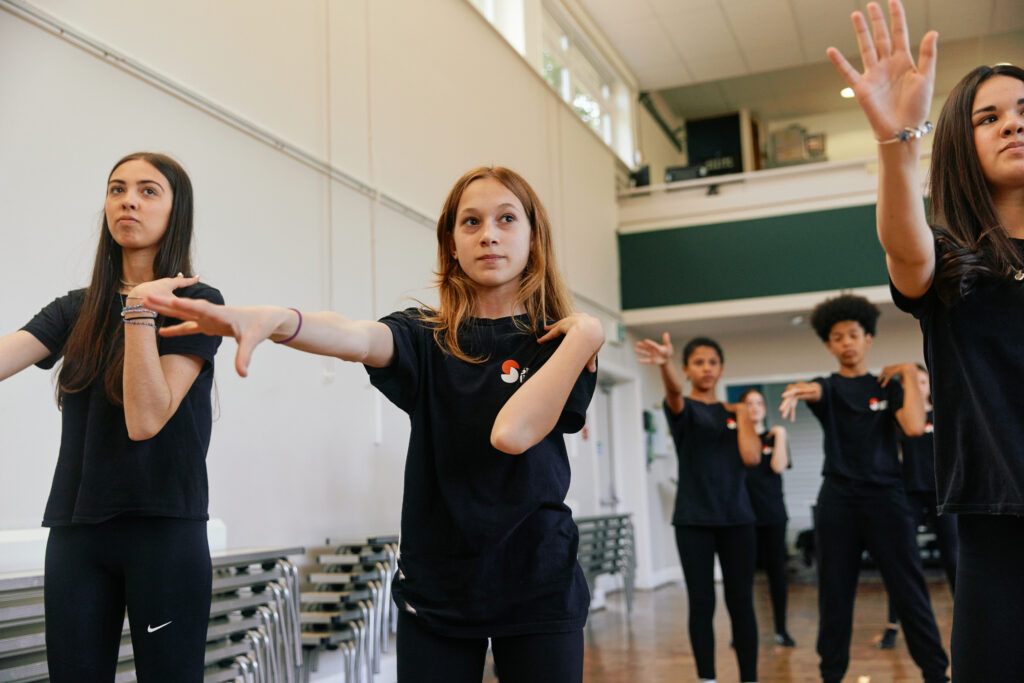
At Spotlights, our musical theatre school in London builds group singing into every class through our STAR System, giving children aged 4 to 18 the chance to grow as performers alongside their peers. This isn’t a side benefit of our drama and dance training. Singing in a group sits at the heart of how we help children find their voice, both literally and figuratively.

What Happens When Kids Sing Together?

Group singing is a shared vocal activity that engages social, emotional and physical processes at the same time, unlike solo practice which tends to focus on individual technique alone. When a child sings within a group, they’re not just learning notes and lyrics. They’re reading the room, matching pitch with the voices beside them, and building trust with every rehearsal.

Research found that singing in groups fosters a strong sense of community and cooperation among young singers. The BBC has also reported that choir singers show greater psychological wellbeing than those who sing solo, a finding that holds true across every stage of life, from children right through to older adults.

Here’s what sets group singing apart from solo lessons:

  • Shared risk, shared reward: children perform alongside peers rather than carrying the pressure alone
  • Immediate social feedback: singers learn to adjust their voice by listening to those around them
  • Works across every age: from Little Stars aged 4 to 7 through to older Stars 1, 2 and 3 students aged 7 to 18
  • Builds toward solo confidence: many children who struggle with solo singing use group work as their stepping stone

That safety in numbers effect is worth exploring further, because it’s often the difference between a child who dreads performing and one who can’t wait to get on stage.

[Book a Free Trial Today]

1. Group Singing Builds Self-Confidence

Group singing builds self-confidence and self esteem through shared, low-risk performance, and children develop this confidence through repeated group practice rather than isolated solo pressure. The Lichfield Cathedral School describes choir singing as a “transformative experience,” one that boosts confidence and self efficacy through collective achievement and the closeness that comes from sharing vulnerability with others.

Research on group singing interventions has found a medium effect size (d = 0.5) on children’s wellbeing following participation, a meaningful shift for a relatively simple activity. For instance, a child who feels nervous singing solo often finds it far easier to project their voice within a group first, before working up to a solo performance later.

This is exactly what sits behind the Self Confidence pillar of our STAR System at Spotlights. We keep class sizes to a maximum of 20 students, so every child gets the attention and gentle encouragement they need to grow, term after term. This confidence built in the group naturally extends into teamwork skills, which is where the real magic of ensemble singing begins.

Why the “Safety in Numbers” Effect Matters for Shy Children

A group setting reduces performance anxiety for reserved children, because the spotlight is shared rather than fixed on one voice. Take a child who freezes up when asked to sing alone in front of family or loved ones. Put that same child in a choir, surrounded by classmates all singing the same melody, and something shifts. Their voice blends in rather than stands out, and that small change in pressure often gives shy children the room they need to find their sound and, eventually, their courage.

2. Group Singing Teaches Teamwork and Collaboration

Group singing requires listening, blending and cooperation between children, and this is where musical skill and social skill develop side by side. As theatrical arts specialists have pointed out, children learn to harmonise and blend their voices with others, discovering that their unique voice genuinely contributes to something bigger than themselves and creates a powerful sense of shared achievement.

This kind of teamwork in theatre doesn’t happen by accident. It’s built through practice, patience and plenty of gentle guidance. Group singing helps children develop:

  • Active listening, tuning into other voices rather than just their own
  • Timing and coordination, staying in step with the group as a whole
  • Patience, waiting their turn and supporting slower learners
  • Encouragement, cheering on classmates rather than competing with them

These are exactly the skills we nurture through the Teamwork pillar of our STAR System, where children devise their own choreography, learn to sing in harmony, and create group improvisations together. Teamwork and friendship tend to grow hand in hand, which brings us naturally to the social side of singing with others.

3. Group Singing Strengthens Social Connection and Friendship

Group singing creates social bonds and a shared sense of belonging among children, supporting friendships, group identity, social bonding and social cohesion in ways that peer reviewed research consistently confirms. The BBC has reported that strangers can forge close bonds after singing together for just an hour, which says a great deal about how quickly this act of making beautiful music together brings a community closer.

Singing together turns strangers into a team in under an hour.

For children, this social cohesion shows up in the friendships they build term after term. It’s the reason so many Spotlights parents talk about their child’s “circle of friends” growing alongside their confidence. Children who might otherwise sit quietly on the sidelines find themselves part of a genuine community, one built on shared rehearsals, shared nerves before a performance, and shared pride once the curtain comes down. This social connection also plays a real part in supporting a child’s emotional state and wellbeing, which is worth looking at more closely.

4. Group Singing Supports Emotional Wellbeing and Stress Relief

Group singing reduces stress and improves mood in children, with youth choir research showing reduced stress hormones and anxiety, improved mood, and a stronger sense of belonging among young choristers. Sing Up’s benefit framework identifies five domains where singing helps: physical, psychological, social, musical and educational wellbeing and health.

Singing releases endorphins, the body’s natural feel good chemicals, which helps explain why children so often leave rehearsal in a better emotional state than they arrived. This isn’t a vague or minor effect. It’s backed by more research into stress hormones, immune function and overall health and wellbeing linked to singing in a group, with some studies even measuring raised levels of immunoglobulin A, an antibody linked to immune system function, after group singing sessions. People report lower stress and a greater sense of calm after just one session, and mental health researchers note that these positive effects on psychological wellbeing appear consistently across age groups.

AspectSolo Singing LessonsGroup Singing (Choir/Ensemble)
Confidence buildingGradual, performance-focusedFaster, through shared low-risk practice
Social skillsLimited peer interactionStrong teamwork and friendship building
Stress and moodIndividual benefitEnhanced by group bonding and cohesion
Vocal developmentPersonalised paceLearns harmony, blending, listening skills
Performance exposureSolo spotlight onlyBuilds toward solo confidence via group first

These emotional benefits pair closely with the physical side of singing, which does far more for a child’s body than most parents realise.

5. Group Singing Improves Physical Health and Vocal Technique

Group singing improves breath control, posture and cardiovascular fitness, and it works the body in ways that are easy to underestimate. Sing Up points out that singing is a form of aerobic exercise that benefits the cardiovascular system, while London Youth Choirs highlights how controlled breathing during singing increases lung capacity and lung function over time, drawing more oxygen into the body with every breath.

Regular group singing strengthens the respiratory system and vocal cords, alongside teaching children to project their voice with proper posture and breath support. Breathing exercises used in choir singing are the same techniques that some health practitioners now recommend to people living with long term health conditions, including those recovering from long covid, as part of respiratory rehabilitation.

For children, these technical skills carry across into confident public speaking too, not just performance. This kind of physical development also supports something less visible but equally important: how children process language and information, and researchers continue to explore just how profound these benefits of singing can be across a person’s life.

6. Group Singing Boosts Language, Memory and Cognitive Skills

Group singing strengthens memory, vocabulary and cognitive processing in children, giving them tools that reach well beyond the rehearsal room. Sound Pop Academy notes that singing exposes children to new vocabulary and improves pronunciation and enunciation, while broader musical theatre training supports memory singing and attention span.

Group singing helps child development through:

  • Vocabulary, through exposure to new lyrics, phrases and musical terms
  • Memory, by learning and retaining lines, melodies and harmonies
  • Listening skills, by tuning into pitch, rhythm and timing within a group

Many parents are surprised by how much these skills carry into schoolwork, from reading fluency and language development to concentration in the classroom. Singing makes learning feel natural rather than forced, and this is one of the reasons group singing offers such genuine value as an extracurricular activity. It leads directly into how we structure our own classes at Spotlights.

How Spotlights Builds These Benefits Into Every Class

Our STAR System delivers the confidence, teamwork and active learning benefits of group singing in every single session, whether your child is in our Little Stars class for ages 4 to 7 or our Stars 1, 2 and 3 classes for ages 7 to 18. We keep class sizes to a maximum of 20 students, giving each child the personal attention they need alongside the social experience that makes singing with others such a powerful tool for growth.

Every child gets the chance to sing, perform and be heard, in a class small enough for real attention but social enough to build lasting friendships. Our students perform for family and friends every term for younger children, and twice a year for our older Stars groups, giving them regular, low-pressure opportunities to put their group singing skills into practice. Many of our students go on to join our own Spotlights Talent Agency, working with some of the UK’s leading child casting directors.

Closing Thoughts

At its core, musical theatre should feel exciting, supportive and rewarding from the very first class. Thatโ€™s exactly what we aim to create at Spotlights Theatre School. With small groups, experienced industry teachers and the chance to perform every term, our musical theatre classes for kids in London give young performers the space to grow in confidence, skill and creativity. If your child is ready to give it a try, a free taster is the perfect place to start.

Book A Free Trial

FAQs

What age should a child start group singing classes?

Children can start group singing from as young as 4 years old. Our Little Stars classes at Spotlights welcome children aged 4 to 7 into a nurturing group singing environment from their very first term.

Is group singing better than private singing lessons for kids?

Group singing builds confidence, teamwork and social skills faster than solo lessons, though both have their place. Research on choir singing shows it creates a transformative, confidence boosting experience through shared, low-risk performance.

Does singing in a group help shy or anxious children?

Yes, group singing reduces performance anxiety significantly for reserved children. The shared nature of group performance means shy children can build their voice and confidence before ever stepping into a solo spotlight.

How often should kids attend group singing or musical theatre classes?

Weekly attendance works best for steady progress. At Spotlights, our classes run weekly throughout term time, building towards a performance every term for younger children and twice yearly for our older Stars groups.
Using Imagination in Acting For Kids

Thursday, September 10th, 2026

At Spotlights Theatre School, imagination in acting is the first place we start when a child joins our classes.

We see, week after week, how an actor’s imagination turns a quiet person into a confident character on stage. A child who sits at the back of the room at the beginning of term can, by the end, create a performance that feels full of emotions, story and truth.

Imagination is not a bonus. It plays a vital role in the actor’s craft for human beings of all ages, especially children discovering stage acting for the first time.

In this blog, we explore:

  • How imagination supports acting and character work for kids
  • Why musical theatre stretches an actorโ€™s imagination further
  • How imagination, play and practice build confidence and life skills
  • The specific exercises we use at Spotlights to develop creativity
  • Why combining imagination and memorisation produces convincing lines and scenes

What Role Does Imagination Play in Acting for Kids?

Imagination is the foundation of character portrayal. It lets a child step into someone else’s shoes, feel new emotions and see the world through a character’s eyes.

When children imagine, they can:

  • Explore the inner world of a character
  • Connect with big emotions in a safe, playful way
  • Discover different perspectives and making a character their own

In acting, imagination helps a young actor:

  • Observe other actors and learn from their choices
  • Focus on what is happening in the scene instead of worrying about fear or mistakes
  • Portray fiction in a way that feels close to reality for the audience

For us at Spotlights, imagination is the first step in helping children:

  • Create ideas for how a character moves, speaks and reacts
  • Join in ensemble work practice without needing a perfect script
  • Develop familiarity and access to their own creativity, body and voice

Imagination, play and child development

Research into pretend play shows that imaginative play is crucial for childrenโ€™s development. It supports:

  • Empathy and perspective
    Children learn to see from another personโ€™s point of view and understand different emotions, which is important for relationships and social success in later life.
  • Self regulation and emotional control
    Imaginative scenes give children a free, safe space to explore feelings like fear, joy and frustration. They practise calming down, thinking and responding in a considered way.
  • Creativity, language and writing
    Working with story, play and words helps children develop creativity and language skills, which supports reading and writing at school as well as performance on stage.

At Spotlights, our musical theatre classes are for children aged 4 to 18, split between Little Stars and Stars 1, 2 and 3 so that each child learns in an age appropriate group. Imagination is the key that opens the world of acting to them and helps them connect with others on stage.

Why Imagination Matters More in Musical Theatre Than Straight Acting

Musical theatre blends three disciplines:

  • Acting
  • Singing
  • Dance

This combination turns imagination into daily practice. Children use their head, body and voice together, which makes musical theatre a powerful art for developing creativity.

How imagination works in each discipline

  • Acting
    Children imagine the characterโ€™s past, profession and relationships. They build scenes where they decide how the character feels in each moment and how to portray that on stage.
  • Singing
    They imagine the emotion behind the lyrics and the importance of each word. This helps them sound inspired and enthusiastic, not just accurate. The sound carries the story to the audience.
  • Dance
    They imagine the world of the choreography. Movement becomes a way to explore mood, wonder and story without needing long lines of dialogue.

Acting teachers and performance coaches often describe imagination as a crucial part of stage acting, helping actors create truthful moments out of written lines and rehearsed practice. When children work across all three disciplines, they discover how flexible and powerful their imagination can be.

[Book a Free Trial]

How Does Imagination Build Confidence in Young Performers?

Imaginative exercises let children take risks in front of others without real world consequences. They can try bold choices in a scene, then adjust and try again.

In Spotlights classes, imagination helps children:

  • Free themselves from fear of getting things wrong
  • Focus on the process of acting instead of the pressure of performance
  • Explore different perspectives on how a character might move, think or feel
  • Build confidence through drama and acting

The STAR System and Self Confidence

Self Confidence is one of the four pillars in our STAR System. It is closely tied to imaginative work in small, supportive groups.

At Spotlights:

  • Class sizes are kept to a maximum of 20
  • Students work with familiar teachers who observe, guide and encourage them
  • Children receive regular feedback that highlights their strengths and next steps

This structure helps children:

  • Develop a strong stage presence and body awareness
  • Use their voice clearly and confidently
  • Build trust in their own ability to create convincing performances

Performing becomes fun rather than frightening. Children discover that they can join in, connect with other actors and stand in front of an audience with growing confidence.

Teamwork and Imagination: Performing Together

Teamwork is another pillar of our STAR System. Imagination, in a group, teaches children how to:

  • Share ideas for scenes and stories
  • Listen to other actors and respond in the moment
  • Build art together rather than alone

A simple example in class:

  • We place a box or another everyday object in the middle of the space.
  • A small group is asked to explore different ways that object could be used in a scene.
  • They decide who each person will play and what happens next.

Very quickly, the box might become:

  • A treasure chest in a pirate story
  • A suitcase for a character deciding to leave home
  • A stage prop that supports an emotional goodbye scene

Through this process, children:

  • Practise cooperation and communication
  • Learn the importance of each personโ€™s perspective
  • Understand that good acting is often about connecting with other actors, not staying in their own head.

Drama teaches teamwork by making collaborative imagination a regular part of our exercises and practice.

What Are the Best Imagination Exercises for Kids in Acting Classes?

Parents often search for drama games, acting exercises and improv practice that build imagination. At Spotlights, we use specific methods to help children access creativity and develop reliable performance habits.

Core imagination exercises we use

  1. Character walks
    • Children imagine how a character would walk through the world.
    • They explore posture, pace and body language.
    • This is often the first step in discovering how a character feels in different moments.
  2. Object transformation
    • An everyday object becomes something new in a scene.
    • A chair turns into a throne, a book becomes a magic page, a toy becomes a royal crown.
    • Children explore reality and fiction and learn how imagination can transform simple props.
  3. Emotion freeze
    • Children move around the stage, then freeze when a teacher calls out an emotion.
    • They use their whole body to portray joy, sadness, fear or wonder.
    • This builds emotional truth and clarity in performance.
  4. Story circle
    • Students sit or stand in a circle.
    • Each adds one sentence to a shared story.
    • They practise reading the room, listening to others and keeping focus on the scene as it develops.
  5. Sensory recall
    • Children imagine sounds, smells or tastes from past moments in their life.
    • They use these to deepen scenes, for example the sound of rain at night or the smell of popcorn in a theatre.
    • This strengthens their ability to imagine detailed worlds and connect emotionally with a character.

These exercises turn imagination into regular practice. They help children:

  • Build familiarity with acting tools
  • Access creativity faster during rehearsals
  • Explore art as something structured and playful at the same time.

How Spotlights Uses Active Learning to Develop Imagination

Active Learning is where imagination meets technique in our STAR System. Each week, children take part in exercises designed to develop:

  • Coordination and flexibility
  • Communication and vocal projection
  • Stage presence, sound and performance

Imaginative work is built into this process. For example:

  • Character walks blend creative ideas with physical discipline.
  • Emotion freeze connects feelings, body and voice so children learn to portray emotions convincingly.
  • Story circles and group improvisation help them explore process and perspective while practicing stage skills.

We treat imagination as part of daily practice rather than a one off activity. Over time, children become more familiar with acting routines and more able to imagine, explore and create in front of others.

Imagination vs Memorisation: Comparing Approaches to Acting for Kids

Good acting is not only about knowing lines. It is about accessing imagination and portraying truth on stage. At Spotlights, we combine imagination based training with memorisation to support both creativity and accuracy.

Why a combined approach works best

Imagination helps children:

  • Explore a characterโ€™s inner world
  • Connect with emotions and motivations
  • Make choices that feel inspired and natural

Memorisation helps them:

  • Learn script lines word for word
  • Stay in time with other actors
  • Keep scenes structured and professional

Here is how the different approaches compare.

ApproachFocusBenefit for kidsExample in class
Imagination based trainingFeeling and motivation behind linesBuilds emotional range, creativity and confidenceCharacter walks, sensory recall, improvisation
Rote memorisationWord for word script recallEnsures accuracy for exams or scripted showsLearning lines for a school play or termly production
Combined approach (used by Spotlights)Emotional truth plus script accuracyProduces convincing performances ready for LAMDA exams and showsSTAR System classes blending exercises, scene work and script reading

In rehearsal, we might:

  • Ask students to imagine the characterโ€™s past and profession.
  • Explore scenes through improvised dialogue.
  • Then practise precise script reading to fix words and timing.

This combined process supports children in becoming reliable, creative actors.

How to Nurture Your Child’s Imagination for Musical Theatre in London

Imagination grows through regular practice, supportive teaching and time. Parents and teachers can work together to nurture it.

How parents can support imagination at home

You can help by:

  • Reading stories and talking about charactersโ€™ emotions and choices
  • Encouraging free play with simple objects instead of fixed toys
  • Watching stage acting or musical theatre and discussing the importance of imagination in acting and performance
  • Offering quiet time for simple meditation or breathing before bed or before class, to help children focus their mind and calm their head.

These small steps make creativity and reflection part of everyday life.

Book a free trial class

We offer a free trial class at all of our weekly venues. This gives:

  • Your child a free, low pressure first step into acting and musical theatre
  • You a chance to watch them on stage and see how they respond
  • Both of you an opportunity to explore our STAR System and teaching style in person

If your child loves to imagine stories, watch performances, explore characters and play at putting on a show, we would be delighted to welcome them.

Join us for a trial class and let their imagination, voice and creativity find a home on the Spotlights stage.

How To Find Kids Dance Classes in London

Monday, August 18th, 2025

Every parent wants the best for their child, especially when it comes to nurturing creativity, confidence, and lifelong passion. London is alive with opportunity, and the world of dance offers a welcoming environment for students of all ages, abilities, and interests.

Whether your child dreams of starring in musical theatre, performing ballet on stage, or starring in music videos as a professional dancer, finding the right dance classes is a joyful step towards growth and self-discovery.

This guide brings you clear, supportive advice on how to choose the perfect introduction for your child and join the next generation of confident, creative dancers.

How To Find Kids Dance Classes in London: A Parentโ€™s Complete Guide to Musical Theatre Schools

Finding the right kids dance classes in London requires evaluating five key factors: teacher qualifications, class size (maximum 20 students), age-appropriate programmes (starting from 18 months), location accessibility, and cost (ranging from ยฃ7โ€“ยฃ21 per session).

How to choose the best dance school

  • Check dance teacher credentials: Look for schools employing RAD (Royal Academy of Dance) or ISTD accredited professionals who know how to teach technique while inspiring a love for dance.
  • Prioritise small, structured classes: The best training spaces have classes for children grouped by age, with 8โ€“20 kids per group and progression from beginners to advanced dancers.
  • Explore dance styles and genres: From ballet and street dance to jazz, hip hop, and contemporary dance, London dance studios offer lessons suited for every interest including musical theatre classes and other dance genres for boys and girls alike.
  • Consider studio location and environment: Opt for a dance school thatโ€™s easy to reach, offers a safe, welcoming space, and encourages children to express themselves.
  • Plan for costs and commitment: Many studios offer a trial class, workshops, and transparent policies about uniforms and performance fees.

Parents who understand these essentials can confidently select classes that prepare students for the many joys and benefits dance brings, on stage and in life.

Book Your Free Trial

Understanding Different Types of Kids Dance Classes Available in London

Londonโ€™s dance schools celebrate all the fun and variety of movement, with offerings designed to encourage creativity in every young dancer. Children can choose from ballet, jazz, tap, hip hop, street dance, contemporary dance, and musical theatre, each developing different skills and the benefits of dance for young children.

What dance styles are best for beginners?

Beginners often start in ballet or musical theatre, both help build solid technique and social skills. Ballet welcomes ages 4+, laying a technical foundation with structured classes and graded levels. Musical theatre, open from age 4, develops singing, acting, and dance in a fun, supportive environment. Street dance and hip hop classes, popular for their lively choreography and connection to music videos, are perfect for kids 5+ who want a dynamic lesson full of energy.

  • Ballet: Ages 4+, graded RAD programme, builds strength and posture.
  • Jazz: Ages 6+, flexible and expressive, great for musical theatre prep.
  • Tap: Ages 5+, focus on rhythm and coordination.
  • Street dance and Hip Hop: Ages 5+, energetic routines, teamwork, and creativity.
  • Musical Theatre: Ages 4+, triple threat training.
  • Contemporary Dance: Ages 7โ€“8+ (usually after ballet foundation), unleashes artistic expression.

Theatre schools like Spotlights Theatre School, Pineapple, The Place, and WestWay provide lessons and workshops that let students discover their passion, whether they aim to become professional dancers or just have fun and build confidence. Every class offers a perfect introduction to the world of movement.

As you explore dance genres and music-driven classes, finding the right London studio comes down to both practical details and nurturing community.

See Also: The Best Age To Start Musical Theatre Training

Top-Rated Dance Schools and Studios Across London Boroughs

Londonโ€™s dance scene includes a diverse mix of premium institutions and friendly, local studios, all dedicated to seeing children shine.

School NameLocationSpecialityAge RangePrice Range
DakodasCentral/West LondonMusical Theatre1โ€“18+ยฃ132โ€“ยฃ180/term
WestWayClapham/TwickenhamMusical Theatre4โ€“18Contact for pricing
SpotlightsWest/South LondonTriple Threat, Confidence4โ€“18ยฃ8.75/hour
PineappleCovent GardenStreet, Commercial, Jazz5โ€“16Drop-in
RAD BatterseaBatterseaBallet (RAD grades)4โ€“18ยฃ132โ€“ยฃ180/term
  • Central London (Covent Garden, Battersea, Kings Cross): Easy to reach, excellent for children especially interested in the professional world of dance and musical theatre.
  • South London (Clapham, Wandsworth, Dulwich): Family-friendly, with schools like Spotlights and WestWay known for building confidence, encouraging creativity, and providing structured classes.
  • East/North London: Up-and-coming hubs (The Place, Adore Dance) known for inclusive training, welcoming all children and supporting dancers from beginners to advanced.

Every dance school aims to prepare students for the future, with performance opportunities, inspiring teachers, and a nurturing, trustful atmosphere.

Age-Appropriate Class Selection and Developmental Considerations

Children grow happiest with classes suited to their age and stage:

  • 18 monthsโ€“4 years: Parent-and-child movement, musical play, and classes like RADโ€™s โ€œDance to Your Own Tuneโ€ or Little Dance Academy, focusing on motor skills and imagination.
  • 5โ€“11 years (Primary): Fundamental skills in ballet, jazz, street dance, and musical theatre, structured progression, and first performances. Every week brings new discoveries and self-belief.
  • 12โ€“18 years (Secondary): Advanced training, workshops with professional dancers, and even audition support for students with big dreams.

London schools schedule lessons so children can join at any stage, ensuring every dancer feels valued and challenged.

Location and Transportation Considerations for London Families

When choosing a dance studio, factor in location, journey time, and accessibility. Central London offers industry connections, while local neighbourhood dance schools prioritise convenience. All leading studios ensure a welcoming environment, with safety, easy parking, and strong community spirit.

Developmental Benefits and Long-Term Impact of Musical Theatre Training

Dance classes do more than teach steps. They build confidence, communication, teamwork, discipline, creativity and dance classes even improve social skills. Children who join musical theatre or street dance gain new friends, discover the joy of performing, and develop skills that support them both at school and in the world beyond.

Dance education keeps children active, focused, and happy, boosting everything from memory and coordination to self-expression and leadership.

Practical Steps for Enrollment and Getting Started

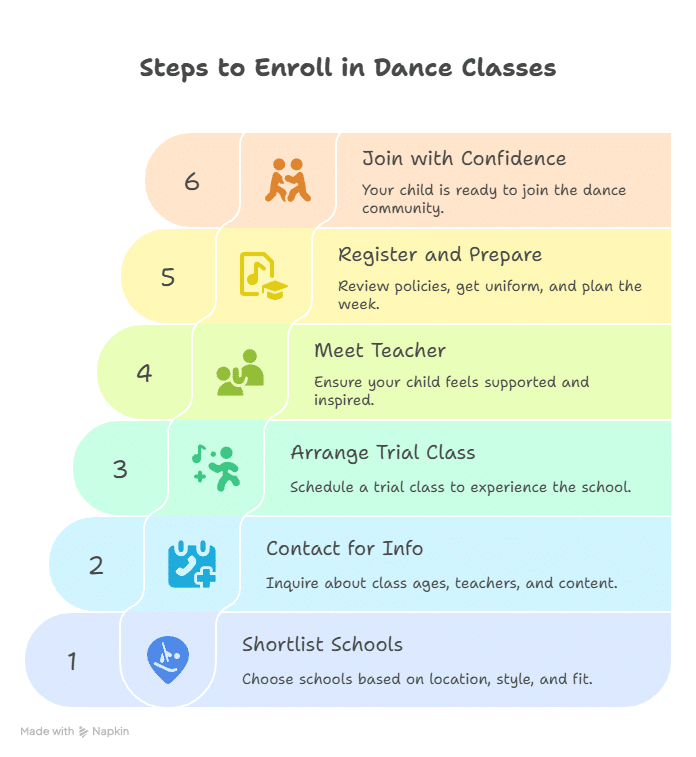
  1. Shortlist schools: Choose by location, training style, and fit.
  2. Contact for information: Ask about class ages, teachers, and lesson content.
  3. Arrange a trial class: Most schools make this fee deductible from the first term.
  4. Meet the teacher and observe: Ensure your child feels supported and inspired.
  5. Register and prepare: Review all policies, get your uniform, and plan your week.
  6. Join with confidence: Your childโ€™s place in a creative and supportive community is ready.

Book Kids Musical Theatre Classes Today

Making the Final Decision โ€“ Selecting Your Childโ€™s Perfect Dance School

Choose the school that gives your child:

  • A motivating, caring dance teacher
  • A fun class atmosphere that builds confidence and skills
  • Clear opportunities to progress, perform, and join the world of dance
  • A schedule and environment that supports your family routine
  • A philosophy committed to child development and wellbeing
  • Positive peer groups and space where every child can thrive

If itโ€™s not the perfect introduction the first time, donโ€™t worry, to build confidence and spark passion, keep looking for the dance school that feels just right.

Ready to Find the Right Dance Classes for Your Child?

At Spotlights Musical Theatre School, children are taught by passionate instructors who understand the unique needs of young dancers. With a focus on building self-confidence, fostering creativity, and celebrating each childโ€™s individuality, Spotlights offers an environment where every child can thrive.

Our range of weekly classes and holiday workshops cater to children of all ages and skill levels, making it an inclusive and nurturing environment for all.

Book your free trial or get in touch for more information!

FAQs

How do I find the best kids dance classes London parents recommend for beginners?

Start by researching reputable schools that specialize in kids dance classes London-wide, focusing on qualified teachers, positive parent reviews, and suitable class sizes. Attending a trial session is a great way to gauge the teaching style and atmosphere before enrolling your child.

How can I enroll my child in a new class if theyโ€™ve never attended a dance school before?

Most London dance schools welcome beginners and regularly open registration for a new class at the start of each term. Contact your preferred school directly to discuss your childโ€™s interests and book a trial class, which helps determine the best level and style fit for first-timers.

Are private lessons available in addition to group classes?

Yes, many leading studios provide private lessons alongside regular group kids dance classes. Private coaching can accelerate technique, build confidence, or prepare children for auditions and performances. Request information about fees and coach availability when you inquire with each studio.

Which Class Is Best For My Child?

We have a range of classes available for children ages 4-18 years. Find out more about each of our groups to see which classes are best for your child.

Little Stars Performing Arts Class โ€“ These weekly classes are for children aged 4-7. They include acting, singing and dancing classes to introduce children to the fun of performing arts.

Stars 1, 2 & 3 Classes โ€“ These are our weekly acting, singing and dancing classes. Stars groups are for children aged 7-18. Children are split into school years so your children learn with similar aged children.

Lamda Classes โ€“ Our LAMDA classes are weekly classes offered to existing Spotlights children aged 7+. These are additional group drama examinations.

Weekend Drama Classes – Our weekend performing arts classes for children are a blend of fun, creativity, and skill-building, designed for children aged 4-18.

Holiday Camp Drama Classes โ€“ Our holiday classes are week long courses with a mix of acting, singing and dancing. They are for all ages and are based around a theme such as Disney, Greatest Showman and more. At the end of the course we put on a costumed performance to the childrenโ€™s family and friends.

Top Tips For Kids: Overcoming Stage Fright

Monday, August 11th, 2025

A room full of audience members. Lights up. Heart pounding. Little hands gripping the sides of a costume. The whisper of โ€œWhat if I forget my line?โ€ Itโ€™s a moment most people know, whether theyโ€™re stepping onto the stage or preparing to speak in front of a class.

Stage fright, also known as performance anxiety or fear of public speaking, can affect people of any age, but it often feels especially big for children learning to navigate social situations and growing confidence. It can cause symptoms like dry mouth, increased heart rate, shaky legs or the feeling that your child might freeze in the moment. But stage fright doesnโ€™t have to steal the spotlight.

At Spotlights, we see how theatre classes help kids transform nerves into excitement, using practical tips, fun exercises and the right support to build confidence in live performance. Hereโ€™s how to help your child shine on stage and feel calmer in the wings.

Understanding Stage Fright: Why Does It Happen?

Stage fright feels scary, but itโ€™s not an actual threat. Itโ€™s the bodyโ€™s natural response to perceived risk. When your child steps onto a stage or faces public speaking, adrenaline kicks in. This increases heart rate, releases endorphins and can make the body shake or feel nervous. Itโ€™s the same process that helps a performer focus and energises them for an ideal performance.

For some kids, this feeling tips into extreme fear, social phobia or anxiety about mistakes. They may worry about the audience watching them, fear forgetting lines or imagine the worst happening. Itโ€™s common, but itโ€™s also manageable with the right tools.


Practical Tips To Help Your Child Overcome Stage Fright

1. Breathe Deeply and Calm the Body

Simple, slow breathing can reduce anxiety symptoms and lower heart rate. Encourage your child to breathe deeply, counting to four as they inhale and exhale, and to notice how it calms their body.

Research from Harvard Medical School shows deep breathing activates the parasympathetic nervous system, helping to reduce feelings of fear and calm nerves before a performance.

At Spotlights, we use breathing exercises in warm-ups so that they become part of your childโ€™s toolkit, helping them feel prepared, focused and calmer before they perform.

2. Normalise Feeling Nervous

Many performers, from West End stars to local panto heroes, feel nervous before stepping on stage. Explain to your child that nerves are normal, and even a bit helpful, as they prepare to perform.

Let them know itโ€™s OK to feel a bit shaky, to have butterflies, or to worry. Itโ€™s a sign they care and want to do well. Reassuring them that these feelings happen to most people can reduce fear of the symptoms themselves.

3. Practice, Practice, Practice

Repetition builds familiarity, and familiarity reduces fear. The more you help your child learn lines for a play, songs or dance steps, the more confident they will feel when the moment comes.

Try practising in front of family members, soft toys or even in front of the mirror. This helps your child get used to eye contact and performing with people watching, making the transition to a live performance less intimidating.

4. Use Visualisation Techniques

Encourage your child to imagine themselves on stage, performing confidently, and enjoying the moment. Visualising success can help replace negative thoughts with positive ones, training the brain to feel excited rather than afraid.

Sports psychologists often use this technique with athletes, and it works beautifully for young performers preparing for a show or musical theatre exam.

5. Turn Anxiety Into Energy

Adrenaline isnโ€™t always a bad thing. It can give your child the energy to project, sing loudly and perform with expression. Help them reframe nerves as excitement.

Try a quick shake-out before going on stage or a short walk to release excess energy. These physical techniques can reduce tension and help your child feel more in control.

Supportive Environment for Kids

6. Focus On The Fun, Not Perfection

Fear of mistakes often fuels stage fright. But even professional performers forget lines, miss cues or crack a note, and the world keeps spinning.

Encourage your child to focus on enjoying the process rather than worrying about the outcome. Performing should be fun, and small mistakes are part of live performance. Often, the audience doesnโ€™t even notice.

7. Build a Healthy Lifestyle Foundation

Good sleep, balanced meals and regular exercise can reduce general anxiety, helping children feel stronger and more resilient during performance situations.

Activities that release endorphins, like dancing, playing outside or swimming, can help lower stress levels and prepare the body to manage nerves more effectively.

Spotlightsโ€™ Approach To Tackling Stage Fright

At Spotlights, we see stage fright as a stepping stone to confidence. Through our musical theatre classes in London, children get the chance to perform regularly, practise public speaking and learn to manage nerves in a supportive environment.

We use warm-ups, drama rehearsal techniques, fun games and structured performance opportunities to help children gain confidence on stage. Our teachers know how to help children relax, laugh, and focus before they perform, using calm, practical steps that build skills and self-belief over time.

Helping Your Child In The Moment

Here are a few quick actions to help your child be a better performer and feel calmer when stage fright appears before a performance:

  • Breathe deeply together. Count together to slow breathing.
  • Do a gentle shake-out to release tension.
  • Remind them itโ€™s OK to be nervous and that it will pass.
  • Focus on one friendly face in the audience to ground them.
  • Use a fun pre-show ritual like a thumbs-up or fist bump to signal theyโ€™re ready.
  • Avoid last-minute cramming to reduce pressure.
  • Encourage positive self-talk such as โ€œI can do thisโ€ or โ€œI am preparedโ€.

These practical tips can make a big difference in how your child feels in the moment and can help transform nerves into excitement.

What If My Child Makes A Mistake?

One of the biggest worries for children with stage fright is making a mistake on stage. Hereโ€™s the secret: it happens to every performer at some point, and itโ€™s never as bad as they imagine.

Teach your child to keep going if they forget a line or miss a step. Most audience members wonโ€™t even notice, and the performance continues. A small mistake doesnโ€™t define their performance. In fact, itโ€™s a sign theyโ€™re learning and growing.

A Bonus Tip: The Power of Play

Children learn through play, and performing is a form of structured play. Theatre games, improvisation and fun warm-ups help children relax, express themselves and explore creativity without pressure.

At Spotlights, we use games that encourage eye contact, clear speech, and movement, all while keeping the environment light-hearted. Play reduces fear and helps children feel safe to take risks, which is essential for overcoming stage fright.

performing through play

Looking for Fun & Friendly Musical Theatre Classes in London?

Stage fright is part of the process for many young performers. Itโ€™s a sign they care and that theyโ€™re stepping outside their comfort zone, which is where confidence grows.

With breathing techniques, practice, visualisation and the supportive environment of musical theatre classes like Spotlights, your child can learn to manage nerves, focus on the fun, and shine in the spotlight.

Book your free trial or get in touch for more information!

FAQs

What causes stage fright in children?

Stage fright can be caused by fear of making mistakes, worries about what audience members might think, or the newness of being on stage. Itโ€™s a natural response to performing and public speaking, and most people feel nervous before a live performance.

How can I help my child feel calmer before performing?

Encourage your child to breathe deeply, practise regularly, and take a short walk to release endorphins before going on stage. Remind them that feeling nervous is normal and help them focus on having fun rather than worrying about mistakes.

Is it normal for kids to feel nervous before performing?

Yes. Even professional performers get nervous before a show. Feeling nerves means your child cares about doing well, and with the right support and practical tips, those nerves can turn into positive energy that helps them shine on stage.

Which Class Is Best For My Child?

We have a range of classes available for children ages 4-18 years. Find out more about each of our groups to see which classes are best for your child.

Little Stars Performing Arts Class โ€“ These weekly classes are for children aged 4-7. They include acting, singing and dancing classes to introduce children to the fun of performing arts.

Stars 1, 2 & 3 Classes โ€“ These are our weekly acting, singing and dancing classes. Stars groups are for children aged 7-18. Children are split into school years so your children learn with similar aged children.

Lamda Classes โ€“ Our LAMDA classes are weekly classes offered to existing Spotlights children aged 7+. These are additional group drama examinations.

Weekend Drama Classes – Our weekend performing arts classes for children are a blend of fun, creativity, and skill-building, designed for children aged 4-18.

Holiday Camp Drama Classes โ€“ Our holiday classes are week long courses with a mix of acting, singing and dancing. They are for all ages and are based around a theme such as Disney, Greatest Showman and more. At the end of the course we put on a costumed performance to the childrenโ€™s family and friends.

It’s Panto time! Oh no it isn’t. Oh yes it is!

Wednesday, December 4th, 2019

Panto season is fast approachingโ€ฆ oh no it isnโ€™t! Oh yes, it is!

Going to a pantomime is often a childโ€™s first exposure to theatre. They are a great family event to enjoy together during the festive season. A Pantomime has many classic traditions. The main male role is often played by a woman. A Pantomime always has a dame, a man dressed as a woman in an often-eccentric dress with very exaggerated make up. Although the story-lines are classic fairy-tales the jokes are always contemporary, bound to make you laugh your socks off! Audience participation is hugely encouraged during a Pantomime. So, youโ€™ll find yourself easily getting involved amongst all the action. From shouting โ€˜Heโ€™s behind youโ€™, โ€˜Oh no youโ€™re notโ€™ and booing loudly at the evil characters.
The end of the year simply wouldnโ€™t be complete without going to see a pantomime.

To help you weโ€™ve put together a list of some of our Pantomime picks for 2019.

London Palladium, 7th December โ€“ 4th January
If you are looking for a premium Pantomime then the London Palladium is for you. Qdos Entertainment is the worldโ€™s biggest pantomime producer. The production this year is Goldilocks and The Three bears starring regular headliners Julian Clary and Paul O Grady. Sophie Issacs stars as the title role who recently starred in โ€˜Heathersโ€™ (Theatre Royal, Haymarket).

Fairfield Halls, Croydon 10th December โ€“ 8th January
After being refurbished the Fairfield Halls has reopened its doors to theatre goers. This year however the story of Cinderella will be held in the brand-new Phoenix Concert Hall. Starring Strictly come Dancing champion Ore Oduba, actor and comedian Tim Vine. It’s one not to be missed.

Churchill Theatre, Bromley 7th December – 5th January
Starring Pantomime royalty, Christopher Biggins as the iconic Widow Twankey. The Churchill theatre presents Aladdin, a classic tale of the โ€˜magic carpet rideโ€™ that sees Aladdin and Jasmine enter a whole new world. This pantomime is guaranteed to bring plenty of festive magic.

Broadway Theatre, Catford 20th -29th December
With a star cast featuring Soul singing legend Mica Paris as the Fairy Godmother. Broadway Theatre present the tale of โ€˜Beauty and the Beast. The production features fun dance routines, plenty of jokes, slapstick comedy and heaps of Christmas magic.

We also appreciate that buying Pantomime tickets can be expensive so why not try some cheaper productions where you can still have lots of fun. The Beckenham Theatre Centre are performing Aladdin with tickets just ยฃ8! Help support your local amateur theatre group and let them put a smile on your face this Christmas.

Which Class Is Best For My Child?

We have a range of classes available for children ages 4-18 years. Find out more about each of our groups to see which classes are best for your child.

Little Stars Performing Arts Class โ€“ These weekly classes are for children aged 4-7. They include acting, singing and dancing classes to introduce children to the fun of performing arts.

Stars 1, 2 & 3 Classes โ€“ These are our weekly acting, singing and dancing classes. Stars groups are for children aged 7-18. Children are split into school years so your children learn with similar aged children.

Lamda Classes โ€“ Our LAMDA classes are weekly classes offered to existing Spotlights children aged 7+. These are additional group drama examinations.

Weekend Drama Classes – Our weekend performing arts classes for children are a blend of fun, creativity, and skill-building, designed for children aged 4-18.

Holiday Camp Drama Classes โ€“ Our holiday classes are week long courses with a mix of acting, singing and dancing. They are for all ages and are based around a theme such as Disney, Greatest Showman and more. At the end of the course we put on a costumed performance to the childrenโ€™s family and friends.