

How To Develop Stage Presence in Young Performers
Stage presence is simply the way a performer uses their body, voice and focus to make an audience want to keep watching. Strong stage presence helps the crowd relax, smile and enjoy the moment, instead of worrying about whether the performer will “get it right”. For children, learning how to develop stage presence is really about growing confidence, finding their voice and feeling at ease when all eyes are on them.
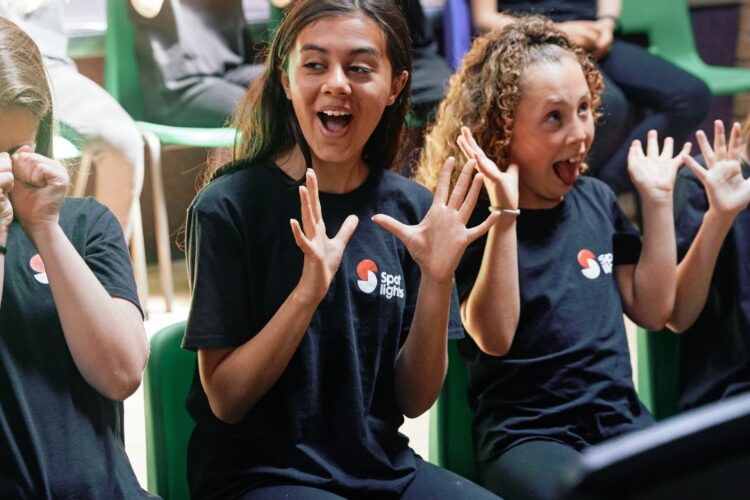
At Spotlights Theatre School, children explore acting, singing and movement in small, age based groups, so no one feels thrown in at the deep end. Sessions feel more like a fun play time than a test: there is music, reciting lines, games that get everyone moving around the stage and lots of chances to try out ideas. Tutors gently guide them to notice things like body language and eye contact, so stage presence starts to grow naturally without anyone saying “you must be more confident”.
Importance of Stage Presence in Performing Arts
Confidence increases stage presence because when a child feels safe and supported, they stop worrying about how they look and start enjoying the story they are telling. Stage presence is that overall sense you get from a performer on stage: how they stand, how they use silence, how they look at the audience and how present they seem in the scene.
For children, stage presence is super important because:
- It enhances audience connection and engagement, so family and friends feel drawn in instead of just sitting politely in their seats.
- It builds confidence, as each positive experience on stage slowly rewires “I cannot” into “maybe I can” and eventually “I can”.
- It separates a good stage performance from simple reciting of lines, adding that spark of charisma and emotion that makes a show memorable.
Studies on children and the arts show that regular involvement in activities like drama and music is linked with higher self esteem and a stronger sense of “I can handle this”. The lovely part for parents is that this confidence does not only show up on stage. It often trickles into school presentations, friendships and everyday conversations too. Once you know that confidence and stage presence grow together, it becomes easier to focus on small, gentle steps rather than expecting your child to feel “brave” overnight.
Performing Arts Classes for Kids
Techniques for Building Confidence
Body language influences perceived charisma because what a child does with their body tells the audience how they are feeling, even before they say a word. Many children feel nervous before performing. That is completely normal, and it does not mean they are not cut out for the stage; it just means the moment matters to them.
Here are some simple, child friendly ways to build confidence:
- Practise calm breathing together, such as four counts in through the nose and four counts out through the mouth, to help their body feel settled before going on stage.
- Use gentle affirmations like “I am ready”, “I know my story” or “This is my space” to nudge their inner voice in a kinder direction.
- Rehearse little and often, and celebrate effort: “You remembered that tricky line” or “I loved how clearly you spoke”, not just “You were perfect”.
If your child says “I feel silly” or “Everyone will laugh at me”, you can reassure them that every performer, even teachers and older students, feels wobbly sometimes. A tiny pre show routine can help: shake out the arms and legs, take a deep breath, say one affirmation, then imagine one friendly face in the crowd. Over time, these habits turn scary moments into familiar ones.
Body language plays a big part in this. Standing tall with feet planted, head up and shoulders soft instantly helps a child feel more grounded. Simple things like looking towards the audience instead of down at the floor and using open, relaxed hands can make even a shy performer look more confident than they feel inside. Once they have this physical base, they are ready to add vocal techniques that help them sound as confident as they are starting to look.
Importance of Body Language
Vocal projection affects audience perception because the way a voice carries through the room tells everyone how confident and clear the performer is. Projection is not shouting. It is using breathing and good habits so that Grandma at the back row can hear every word without the child straining.
You can think of vocal work as another friendly set of stage presence tips. To improve stage presence through the voice, children can utilise these vocal warm ups:
- Play breathing games that build control, such as seeing who can hiss softly for the longest or who can send one long note across the room.
- Try fun articulation drills, including tongue twisters and “over the top” reciting of lines, to get used to clear, crisp speech that reaches the audience.
- Practise saying the same line at different volumes and moods, so they can hear how small changes in voice completely change how the story feels.
If your child worries that their voice sounds “funny” or “too quiet”, you can frame practice as exploration: “Let us find your stage voice”, rather than “You must be louder”. Once they discover that their voice can fill a school hall without shouting, they usually stand a little taller too. These vocal skills support other performance skills like timing, pacing and emotional expression, which are all shaped and polished in rehearsal.
Rehearsal Techniques to Improve Performance Skills
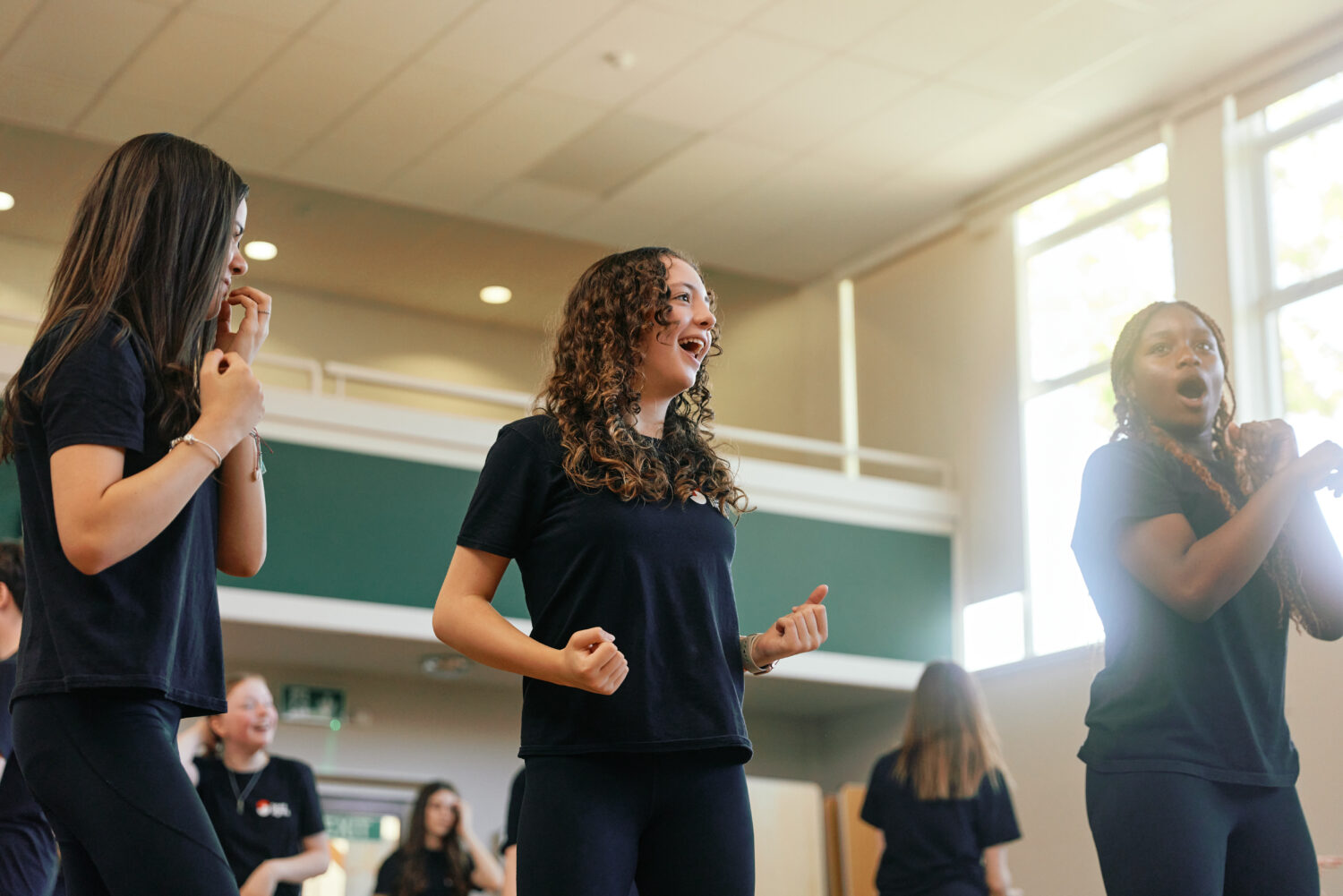
Rehearsal techniques improve performance skills by giving children a safe place to make mistakes, giggle, forget lines and then try again. Rehearsal is where they get to explore who their character is, where they stand on stage and how they move, without the pressure of an audience watching.
At Spotlights, tutors guide rehearsals so they feel structured but not strict. Children practise entering and exiting the stage, sharing lines fairly, using the space and listening to cues, while still keeping a sense of play. Over time, this turns “I am just saying my lines” into “I am telling a story”. The difference between beginners and more experienced performers often shows up clearly in how they rehearse.
How rehearsal habits change with experience
| Technique | Novice approach | Experienced approach |
| Timing and pacing | Basic understanding | Thoughtful control of pauses and pace |
| Feedback utilisation | Hears comments, then forgets | Applies notes in the next run through |
| Emotional expression | Shows one simple feeling | Builds a clear emotional journey |
In the early days, most children simply run a scene from start to finish and hope for the best, which is very normal. As they gain confidence, they start to enjoy repeating short sections, trying different movements, or asking “What if I stand here instead?”. They learn that feedback is not criticism; it is useful information that helps them improve one small thing at a time.
As a parent, you can keep rehearsals at home light and short. One scene, one song or even just one tricky line is enough. The aim is to help your child feel familiar with the material, not to turn your living room into a full theatre. That way, when they walk out onto the stage, their body and brain already know what is coming, and there is more space for fun and presence in the moment.
Contact Us
Practical Applications for Young Performers
Emotional expression enriches storytelling because audiences connect most deeply when they can see and feel what the character is going through. Children do not need to “fake” big feelings to be effective. They just need simple tools to help them tap into real emotions in a safe way.
Here are some gentle, practical ways these skills show up in real performances:
- Children use emotional authenticity techniques, such as picturing a clear image in their head, thinking of a time they felt proud or nervous, or giving each line a simple “secret thought” that sits behind the words.
- They use strategies for overcoming stage fright, like taking one deep breath before they speak, focusing on one friendly face in the audience or reminding themselves “everyone here wants me to do well”.
- They keep the audience interested by moving with purpose, using eye contact, sometimes standing still at important moments and letting the story breathe instead of rushing.
Nerves before a show are not a sign that your child is not ready. They are a sign that the performance matters to them. With each rehearsal and each small performance, most children slowly build up a bank of “I did it” moments that make future shows feel easier. At Spotlights, children get regular chances to perform in front of a friendly audience, which means stage fright turns into something familiar and manageable over time, not a one off scary experience.
Every show, whether it is a short end of term piece or a bigger production, becomes a chance for your child to practise stage presence: how they wear their costume, where they stand, how they use their voice and how they tell the story to a real crowd. Bit by bit, they start to feel not just like “a child on stage” but a performer in control of their craft.
Looking for Musical Theatre Classes for Kids in London?
Developing stage presence in young performers is not about pushing children to be outgoing or fearless. It is about giving them space, tools and encouragement so that confidence, body language, voice, rehearsal habits and emotional storytelling can grow at a pace that feels right for them. When children feel supported and have room to explore, stage presence often appears almost as a side effect of them feeling safe, seen and proud of what they are creating.
Spotlights Theatre School is set up to offer exactly that kind of environment, with experienced tutors, fun classes and plenty of chances to perform in front of a kind audience. If you would like your child to try it out, you can Book a Trial Class or View the Class Timetable and find a class that fits your family and your child’s stage of confidence.
Book your free trial or get in touch for more information!
FAQs
How can I tell if my child has good overall stage presence?
Overall stage presence is less about being the loudest child and more about how fully they seem to be in the moment on stage. A child with good overall stage presence looks aware of the space around them, knows where to stand, uses their voice clearly and stays connected to what they are doing, rather than looking “switched off” between lines. Over time, you will notice the audience start to engage more with them, through smiles, laughter or quiet attention, which is a simple sign that their performance is beginning to resonate.
What helps children develop great stage presence over time?
The main reason children develop great stage presence is regular, low pressure practice in a kind environment where they feel safe to make mistakes. Classes, rehearsals and small sharings all give them chances to learn how to engage the audience, notice what is happening in the room and adjust their body language, voice and timing. When that practice is wrapped in encouragement and clear, gentle feedback, confidence grows and their natural style can come through in a way that feels authentic and resonates with different crowds.
How can I support my child if they are not very aware of the audience yet?
It is completely normal if younger performers are more focused on remembering lines than on how to engage the people watching. You can help by playing simple games at home that build awareness, such as practising a short speech while imagining talking to a friend in the back row, or pausing to “share” an important word with an invisible audience. Little by little, they learn that the main reason they are on stage is to share a story or song that will resonate with others, not just to get through the performance.
Spotlights Performing Arts Classes
We have a range of dance, drama and singing classes for children ages 4-18 years.
Find the best performing arts class for your child!