

Link Between Musical Theatre and Mental Health in Children
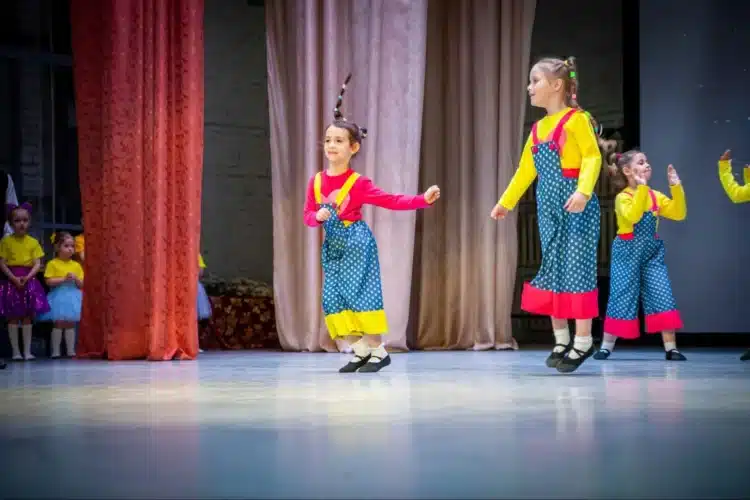
Musical theatre is a compelling medium that significantly contributes to the mental health and emotional development of children. By engaging in this creative art form, children find a unique platform for emotional expression and self-discovery. The fusion of music, performance, and drama in musical theatre offers a holistic approach to nurturing a child’s mental well-being, providing them with the tools to articulate emotions, develop confidence, and connect with others.
This article examines the multifaceted benefits of musical theatre, highlighting its therapeutic value, emotional and psychological impact, and its role in community building and education.
As you explore these themes, consider how incorporating musical theatre into a child’s routine can enhance their mental health and overall development. Notably, the impact of musical theatre extends beyond children, influencing the mental health and wellbeing of young people and even adults involved in the performing arts industry.
The Therapeutic Benefits of Musical Theatre
Arts therapy is a recognised method that improves well-being by providing a platform for individuals to express emotions and explore self-awareness. Musical theatre, as a form of arts therapy, offers unique therapeutic benefits. The creative process involved in musical theatre classes encourages children to express emotions in a safe and constructive environment. Through character exploration and storytelling, children gain insight into their own emotions and experiences, enhancing self-awareness and psychological wellbeing.
One of the primary benefits of musical theatre is its ability to provide an outlet for emotional expression. Children often find it challenging to articulate their feelings, but through performance, they can communicate emotions they may not otherwise express. This creative outlet can be particularly beneficial for children who struggle with verbal communication, allowing them to process emotions such as sadness, anger, or joy through song and movement.
Moreover, musical theatre promotes mindfulness and concentration. The discipline required to learn lines, songs, and choreography demands focus and dedication, which can improve attention spans and concentration skills in children. This aspect of musical theatre not only contributes to better mental health but also enhances academic performance and social interactions.
Studies have shown that arts therapy, including musical theatre, can significantly reduce symptoms of anxiety and depression in children. According to a report by the American Art Therapy Association, participation in arts-based programmes can lead to improved emotional well-being and increased self-esteem. This can be particularly impactful for young people facing mental health issues such as social anxiety or even more severe conditions like bipolar disorder.
These therapeutic benefits translate seamlessly into educational settings, where musical theatre can be integrated into curricula to support emotional and psychological development. Educational research highlights the importance of creative industries in fostering positive mental health among students, particularly musical theatre students who benefit from the structured yet expressive environment.
Emotional and Psychological Impact
The performance aspect of musical theatre reduces anxiety levels by immersing children in a supportive environment where they can explore and express themselves. Performance anxiety is a common challenge among young children, but participating in musical theatre helps mitigate this by gradually building confidence and resilience. The impact on psychological wellbeing is profound, offering a sense of normalcy and community.
Performing in front of an audience requires children to confront and manage their fears, ultimately reducing stress and anxiety. The supportive environment of a theatre group encourages children to take risks and embrace vulnerability, fostering a sense of accomplishment and self-worth. This process not only builds confidence but also equips children with coping mechanisms to handle stress and anxiety in other areas of life. It can also be a critical support system for those with mental health concerns or mental disorders.
Moreover, musical theatre enhances self-esteem by providing opportunities for children to showcase their talents and receive positive feedback. The sense of achievement gained from successfully delivering a performance boosts self-confidence and encourages further participation in creative activities. This can be particularly beneficial for young men, who may struggle with expressing emotions due to societal expectations.
A study published in the Journal of Child Psychology and Psychiatry found that children who participated in performing arts programmes exhibited lower levels of anxiety and depression compared to those who did not source. This evidence highlights the significant psychological benefits of musical theatre as a tool for stress management and emotional resilience. Young people involved in such programmes often report a stronger sense of self and community.
By fostering these emotional and psychological benefits, musical theatre plays a vital role in community building and education, which we will explore in the next section.

Role of Musical Theatre in Community and Education
Musical theatre serves as a powerful tool for promoting community building and educational growth. It not only entertains but also educates, fostering a sense of belonging and cultural engagement. Theatre programmes encourage teamwork and collaboration, essential skills for personal and professional success. The performing arts industry recognises the importance of these skills in maintaining a healthy work life balance.
Involvement in musical theatre instils a sense of responsibility and cooperation among young performers. Working together to produce a successful show requires effective communication and collaboration, skills that are transferable to other areas of life. Additionally, theatre productions often explore cultural and social themes, providing children with opportunities to engage with diverse perspectives and ideas. This engagement can be particularly impactful for those struggling with mental health issues, as it provides a sense of purpose and community.
Spotlights Theatre School, for instance, offers age-specific programmes that focus on community engagement and educational development. By participating in these programmes, children not only become better performers but also contribute to community initiatives and cultural events. This involvement fosters a sense of pride and connection to their community, enhancing overall mental well-being. The school also provides resources for those dealing with mental health concerns, ensuring a supportive environment for all students.
Successful community theatre initiatives, such as youth theatre programmes and school partnerships, have demonstrated the positive impact of musical theatre on community cohesion and educational outcomes. For example, a study found that students involved in arts education programmes had higher academic achievement and were more likely to engage in their communities. These findings underscore the importance of the performing arts in fostering a supportive and inclusive society.
The role of musical theatre in community and education extends beyond individual benefits, contributing to a more inclusive and supportive society. This leads us to explore specific case studies that highlight the success of musical theatre in enhancing mental health.
Musical Theatre Classes for Kids
Practical Applications for Theatre Practitioners
The creative process in musical theatre facilitates self-awareness, offering practical applications for theatre practitioners aiming to integrate mental health awareness into their programmes. By adopting specific techniques and strategies, practitioners can create a supportive environment that fosters self-awareness and emotional growth. The performing arts industry plays a critical role in promoting positive mental health and addressing mental health concerns.
- Integrating Mental Health Awareness: Theatre practitioners can incorporate mental health themes into their productions, encouraging open discussions about emotions and mental well-being. This approach not only raises awareness but also normalises conversations around mental health. Productions like “Dear Evan Hansen” are notable examples of how theatre can start talking about mental health in a meaningful way.
- Creating Supportive Environments: Establishing a safe and inclusive space where children feel comfortable expressing themselves is crucial. Practitioners should prioritise empathy, active listening, and positive reinforcement to build trust and confidence among young performers. This approach can be particularly beneficial for those dealing with eating disorders or social anxiety.
- Fostering Self-awareness Through Performance: Encouraging children to reflect on their performances and explore character motivations can enhance self-awareness. Practitioners can facilitate discussions that allow children to connect their experiences on stage with their emotions and behaviours off stage. This reflective practice is essential for developing resilience and coping mechanisms.
Spotlights Theatre School exemplifies these practices by providing a professional and supportive environment for young performers. Their focus on confidence building and creative development ensures that children receive comprehensive training while benefiting from a nurturing community. The school’s resources also include support for mental health issues, ensuring a holistic approach to education.
Book Your Free Trial
Summary and Key Takeaways
Musical theatre provides a dynamic framework for enhancing the mental health of children, combining emotional expression with community engagement. Here are the key takeaways from our exploration of its impact:
- Therapeutic Benefits: Musical theatre serves as a form of arts therapy, helping children express emotions and improve self-awareness in a safe environment. It is crucial for addressing mental health concerns and promoting psychological wellbeing.
- Emotional and Psychological Impact: Participation in musical theatre can reduce anxiety, build confidence, and enhance self-esteem, equipping children with vital coping mechanisms. It also fosters a sense of community and belonging.
- Community and Education: Theatre fosters teamwork, cultural awareness, and a sense of belonging, contributing to educational success and community cohesion. The performing arts industry is integral to promoting positive mental health.
- Case Studies: Programmes like the Young Performers Programme and Spotlights Theatre School demonstrate significant improvements in children’s mental health and social skills. These programmes highlight the importance of addressing mental health issues through the arts.
- Practical Applications: Theatre practitioners can integrate mental health awareness into their programmes, creating supportive environments that nurture emotional growth. The focus on mental health and wellbeing is essential for the success of these initiatives.
Looking for The Best Musical Theatre School for Kids in London?
Musical theatre delivers the ultimate standing ovation for child development, fusing creativity with confidence in every act. Spotlights Theatre School empowers every young performer to become a star: expressing feelings, taking risks, and growing into social, academic, and professional success.
Our range of weekly classes and holiday workshops cater to children of all ages and skill levels, making it an inclusive and nurturing environment for all.
Book your free trial or get in touch for more information!
FAQs
1. How does musical theatre help prevent mental illness in children?
Musical theatre provides a structured creative outlet that reduces stress and anxiety, boosting self-esteem and mental resilience. These experiences act as protective factors against mental illness by nurturing confidence and emotional balance.
2. How can performing arts help a young person connect with their own lives and the wider community?
Through character exploration and storytelling, a young person learns empathy and emotional awareness. Performing arts also build social bonds, connecting individuals with peers, family, and the broader community through shared creative expression.
3. Why is access to musical theatre and dance important for the future of mental health in the general population?
Increasing access to arts education empowers both children and performing artists to develop emotional intelligence and social connection. Encouraging participation in theatre and dance supports a healthier, more empathetic society for future generations.
Spotlights Performing Arts Classes
We have a range of dance, drama and singing classes for children ages 4-18 years.
Find the best performing arts class for your child!