

The Magic of Ensemble Work in Children’s Theatre
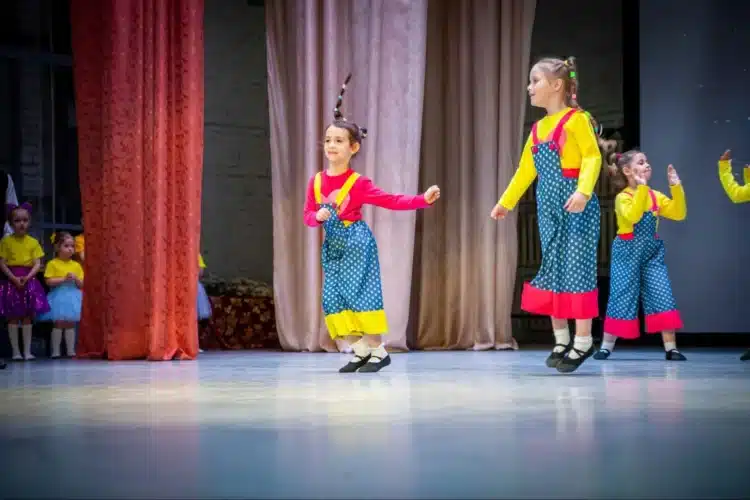
Imagine a lively stage where young actors come together, filled with energy and imagination, to create a captivating world through ensemble work in theatre. This approach is like a magical recipe that blends creativity, teamwork, and fun, offering children the chance to shine as part of a unified group. Ensemble work is not just about acting; it’s about weaving a story where every child’s contribution is a vital piece of the puzzle. It’s a journey that transforms the stage into a playground of innovation and collaboration, where the collective effort takes centre stage, and the magic of theatre comes alive.
Join us on this adventure to uncover the wonder of ensemble work in children’s theatre and see how it enriches the experience for both young actors and their audiences. With a focus on the group, ensemble theatre ensures that every child plays a magical role in bringing the play’s world to life.
What is Ensemble Acting Work in Children’s Theatre?
In children’s theatre, ensemble work is like a magical spell that brings an entire group of young performers together to create a unified performance. Unlike traditional theatre, which often highlights individual stars, ensemble work in children’s theatre emphasizes teamwork and collaboration, ensuring that every child has a special role to play in the story. This approach encourages kids to develop strong communication skills as they connect with each other on stage, creating a seamless and engaging performance.
The roots of ensemble work in theatre can be traced back to the early 20th century, with innovative companies like the Moscow Art Theatre leading the way. As it evolved, ensemble work became a response to the star-driven productions of the time, focusing on the power of the group. Today, children’s theatre embraces these techniques, teaching young actors the importance of working together to create a magical performance. This shared experience helps children reflect the play’s world as a unified whole, making theatre a fun and educational adventure.
Musical Theatre Classes for Kids
The Importance of Collaboration in Ensemble Work
Collaboration is the heart of ensemble work in children’s theatre, and it’s what makes the magic happen on stage. Let’s explore how this collaborative spirit enhances ensemble work and creates an exciting experience for young performers:
- Group Cohesion: Ensemble work fosters a sense of unity among young actors, helping them to work together seamlessly on stage. This cohesion is essential for creating a believable and engaging performance that captivates audiences, young and old alike.
- Role Distribution: In an ensemble, roles are distributed more evenly, allowing each child to shine. This approach ensures that every member of the group has the opportunity to contribute meaningfully to the performance, boosting their confidence and creativity.
- Shared Responsibility: Collaboration encourages a shared sense of responsibility, motivating kids to support each other and work towards a common goal. This is evident in the way ensemble members rehearse and perform together, focusing on the importance of group synergy.
- Creative Problem Solving: Working together in an ensemble inspires young actors to think creatively and solve problems collaboratively, enhancing the overall quality of the production.
Successful ensemble productions like “The Lion King” and “Matilda the Musical” show why teamwork is important in theatre and where the synergy of the group elevates the entire performance. The rest of the cast, including designers and directors, play a crucial role in making the whole show a delightful success.
Key Techniques in Ensemble Work for Kids
In children’s theatre, ensemble work uses a variety of playful techniques to enhance collaboration and performance quality. Two key techniques are improvisation and rehearsal strategies:
| Technique | Description | Example |
| Improvisation | Spontaneous performance without a script | Common in devising theatre |
| Table Work | Detailed script analysis | Used in traditional theatre productions |
Improvisation: This technique involves spontaneous performance without a script, allowing young actors to explore their characters and relationships in a fun and dynamic way. Improvisation is commonly used in devising theatre, where the script is developed collaboratively by the group. This process encourages creativity and lets different characters shine through unique moments.
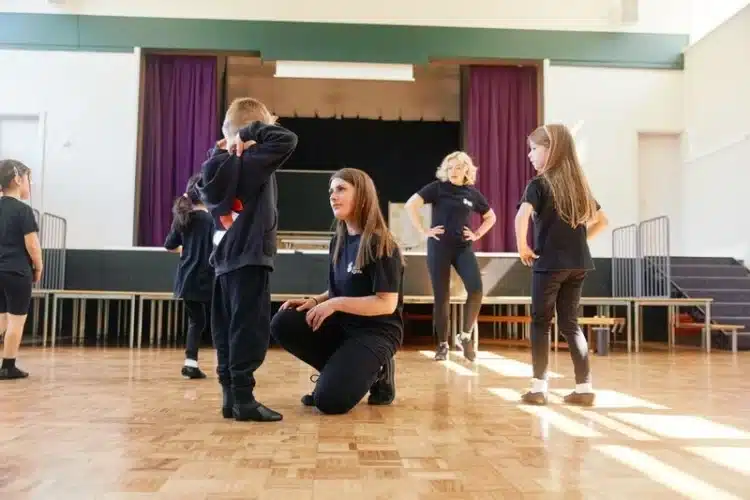
Rehearsal Techniques: Various rehearsal techniques are employed in ensemble work to build group cohesion and refine performances. Table work, for example, involves detailed script analysis, helping children to understand their characters and the play’s themes on a deeper level. Routine dance rehearsals and choreography sessions are also integral, as they help align the movement and voice of the ensemble, ensuring a unified performance.
These techniques, among others, are integral to effective ensemble work, providing young actors with the tools they need to create compelling and cohesive performances. First rehearsals often begin with exercises that promote listening and collaboration, setting the stage for the creative process that follows.
The Role of Ensemble Work in Modern Children’s Theatre
Ensemble work has significantly influenced modern children’s theatre productions, shaping both historical and contemporary practices. Historically, ensemble work emerged as a response to the star-driven productions of the past, with theatre practitioners like Konstantin Stanislavski advocating for a more collaborative approach. This shift towards ensemble-based theatre has had a lasting impact on directing styles and production methods.
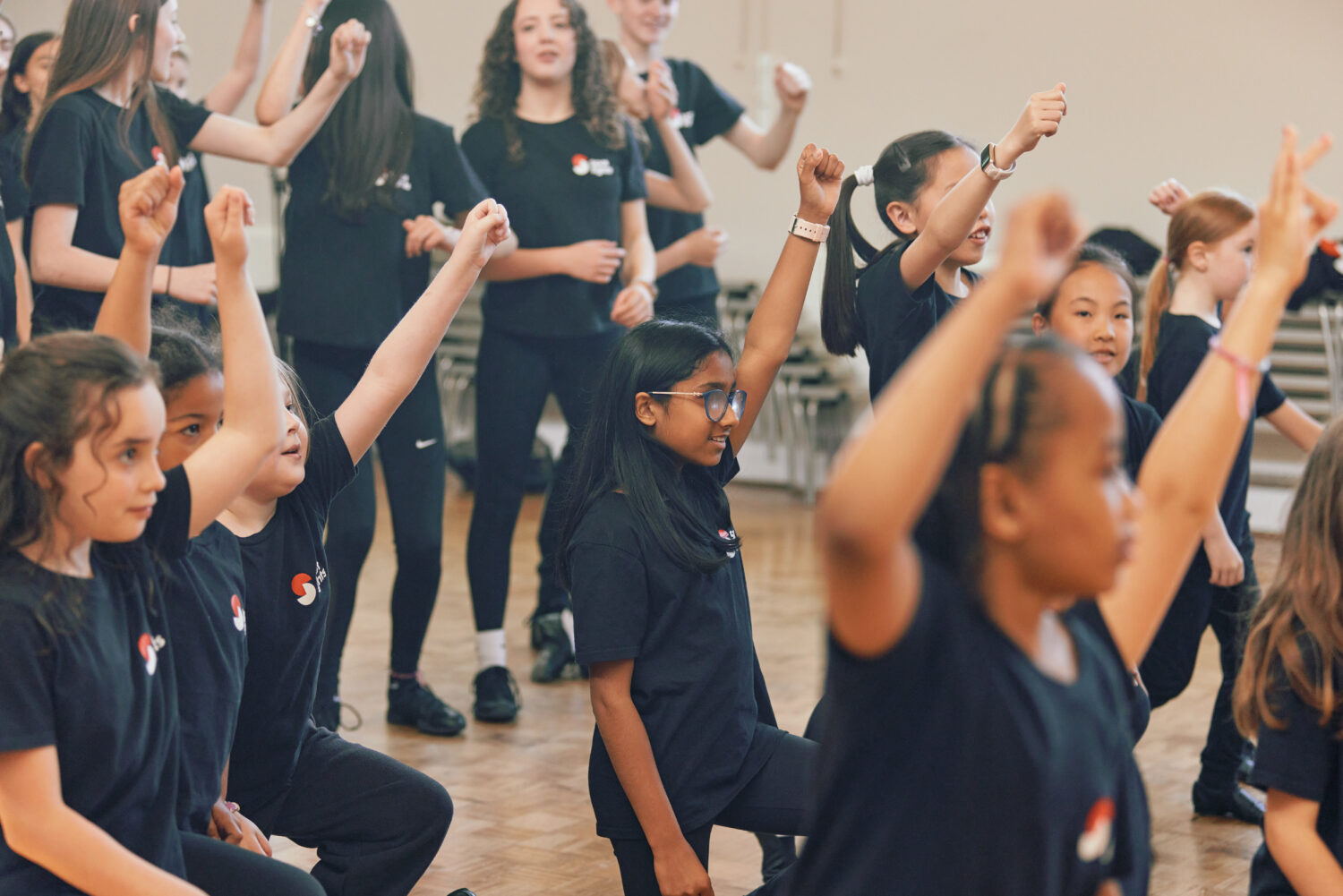
In contemporary children’s theatre, ensemble work continues to play a vital role in productions, influencing everything from casting decisions to rehearsal processes. Many modern directors prioritise ensemble work, recognising its potential to create more authentic and engaging performances. This approach not only enhances the quality of the production but also fosters a deeper connection with audiences, who appreciate the rich, layered storytelling that ensemble work provides. The creative techniques employed often reflect a blend of dance, music, and acting, creating a unique style that resonates with the audience.
Book A Free Trial Class
Ensemble Work at Spotlights Theatre School
Spotlights Theatre School is a beacon of creativity, committed to promoting ensemble work as a fundamental aspect of its performing arts education for kids. One of the many benefits of musical theatre for kids is that schools champion ensemble work, providing age-specific programmes that cater to children and young people aged 4-18. These programmes are designed to build confidence, foster creativity, and develop essential performance skills in a supportive and professional environment.
Spotlights Theatre School offers a range of performance opportunities, allowing students to apply their ensemble skills in real-world settings. With expert instruction and a focus on creative expression, the school provides a nurturing environment where young performers can thrive. Students are taught to explore different characters and the idea of ensemble performance, learning from peers and teachers alike.
Summary and Key Takeaways
Ensemble work in children’s theatre is a joyful celebration of collaboration and shared creativity. By shifting focus from individuals to the group, ensemble work enriches theatrical productions and offers profound experiences for audiences.
- Core Concept: Ensemble theatre prioritises the group’s collective storytelling over individual performances, fostering a sense of unity and fun.
- Historical Roots: Originating in the early 20th century, ensemble work was a reaction to star-driven productions, championed by pioneers like the Moscow Art Theatre.
- Collaborative Benefits: Ensemble work enhances group cohesion, equitable role distribution, shared responsibility, and creative problem-solving, making theatre a playful adventure.
- Techniques: Improvisation and rehearsal strategies such as table work are vital for developing cohesive performances. The inclusion of dance and music adds to the richness of ensemble theatre.
- Modern Influence: Ensemble work continues to shape contemporary children’s theatre, influencing casting and rehearsal processes.
- Spotlights Theatre School: Offers age-specific programmes that nurture ensemble skills, building confidence and creativity in young performers.
Looking for Musical Theatre Classes for Kids in London?
By embracing this collaborative approach, young actors and directors can unlock new dimensions of storytelling and performance, ultimately enriching the theatrical landscape. The shared experience of ensemble members, as they explore the importance of collaboration and creativity, highlights the essence of theatre as a reflection of life and community.
For parents looking to give their child an opportunity to develop these essential skills in a fun, supportive environment, musical theatre classes at Spotlights offer the perfect stage.
Our range of weekly classes and holiday workshops cater to children of all ages and skill levels, making it an inclusive and nurturing environment for all.
Book your free trial or get in touch for more information!
FAQs
1. How do young actors work effectively with other actors in a scene?
When performing in an ensemble, children learn to listen and respond to other actors on stage rather than just focusing on their own lines. This builds connection, empathy, and awareness — helping the group move, speak, and react as one cohesive team. Directors often use team-building exercises and improvisation games to strengthen this dynamic.
2. What does it mean for all the characters to share the same world on stage?
In ensemble work, every performer contributes to creating one believable world, even if their roles are small. Whether they form part of a chorus, interact silently, or sing together, each child helps shape the story’s atmosphere. This shared world ensures that no character feels isolated — everyone’s actions, gestures, and voices work toward a unified vision.
3. What’s the difference between performing solo and working in ensemble space?
A solo performance centres on one person’s story, while ensemble theatre uses the entire stage space collaboratively. In an ensemble, children move with awareness of others, using physical space and movement patterns to enhance storytelling. Working in an ensemble teaches them how to balance timing, energy, and focus — whether speaking lines, reacting to others, or joining the chorus to sing as one group.
Spotlights Performing Arts Classes
We have a range of dance, drama and singing classes for children ages 4-18 years.
Find the best performing arts class for your child!