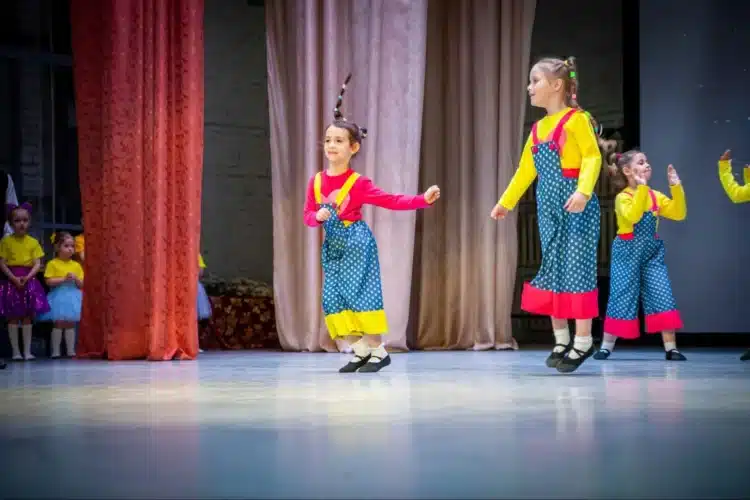


The Difference Between Drama Clubs And Theatre Schools
Drama clubs and theatre schools may sound like they’re cut from the same theatrical cloth, but they offer two very different experiences in the world of performing arts education. Think of drama clubs as your friendly neighbourhood hangout, where creativity and camaraderie take centre stage. They’re all about having fun, building confidence, and connecting with others who share your love for drama.
On the flip side, theatre schools are like the Hogwarts of the performing arts world. With a focus on rigorous training and skill development, they prepare aspiring thespians for the bright lights of professional theatre.
Understanding the difference between these two paths is crucial for budding performers and their families when deciding on the best route for their artistic journey, particularly those interested in pursuing an acting career.
Definition and Overview of Drama Clubs and Theatre Schools
Drama Clubs: An Extracurricular Experience
Drama clubs are where the magic of theatre meets the joy of community. These clubs are often run by passionate volunteers who are just as excited about drama as you are. You’ll find yourself exploring acting through performances, improvisation sessions, and maybe even a drama festival or two. It’s all about expressing yourself, having a great time, and meeting like-minded people without the pressure of formal education. Drama clubs often serve as a stepping stone for young people interested in the theatre arts.
In drama clubs, you might dive into acting workshops, join in on script readings, and take part in stage performances. These experiences not only boost your artistic chops but also help you make friends and improve your communication skills. Drama clubs are the perfect place to try something new and share your talents with others in a relaxed and inclusive atmosphere, often collaborating with community theatre projects.
Theatre Schools: Providers of Formal Education
If drama clubs are your friendly neighbourhood stage, then musical theatre schools for kids are the professional training grounds for future stars. These schools offer structured programmes that cover everything from acting techniques and theatre history to voice modulation and character development. Led by industry professionals, theatre schools are all about serious skill-building with a sprinkle of industry wisdom.
Students at theatre schools dive into a world of intense training, focusing on everything from movement to script analysis. With specialised programmes, like “triple threat” training (drama, dance, and singing), these schools shape well-rounded performers ready to take on the world. The goal? To polish students into confident, skilled professionals ready to shine on any stage and impress casting directors.
Performing Arts Classes for Kids
Educational Focus and Structure
Differences in Educational Focus
When we talk about educational focus, drama clubs and theatre schools are like apples and oranges. Drama clubs are all about community involvement and creative exploration. They’re the place to express yourself, build confidence, and enjoy the arts without the pressure of professional aspirations. Drama class teachers in these clubs often encourage imaginative play and creativity.
In contrast, theatre schools have their sights set on preparing students for professional careers. Their curriculum is finely tuned to equip students with the skills and knowledge needed to excel in the performing arts industry. With a strong emphasis on discipline and technique, theatre schools aim to produce graduates who are ready to pursue careers in acting, directing, and beyond, often through theatre degrees.
Structure and Format
Drama clubs and theatre schools have distinct styles when it comes to structure. Drama clubs are often volunteer-led and operate with a flexible, laid-back approach. Performances and rehearsals are scheduled around the availability and interest of participants, making it easy to balance drama with other commitments.
Theatre schools, on the other hand, offer a more formal structure with scheduled classes and expert instructors. Their courses provide a comprehensive education in the performing arts, ensuring consistent and high-quality training. Theatre schools often culminate in professional-level productions, giving students the chance to showcase their talents to industry insiders, including theatre companies.
| Aspect | Drama Clubs | Theatre Schools |
| Leadership | Volunteer-led | Professional instructors |
| Curriculum | Informal | Formal, structured |
| Performance Focus | Community-based showcases | Professional-level productions |
Outcomes and Career Paths
Typical Outcomes and Goals
Drama clubs and theatre schools offer their own unique outcomes and goals. Drama clubs focus on personal growth, boosting confidence, and enhancing social skills. While they might not directly lead to professional careers, they lay a solid foundation for those looking to delve deeper into the arts. Drama clubs are often the first step for those interested in the theatre world.
Theatre schools, however, are all about professional readiness. Students receive formal qualifications and gain industry connections, paving the way for career opportunities in the performing arts. Theatre schools often facilitate internships, auditions, and networking events, giving students a leg up in the industry, particularly for those aiming for roles in theatre productions or even grad school.

Benefits and Challenges
Both drama clubs and theatre schools come with their own sets of benefits and challenges. Drama clubs encourage creative expression and offer a supportive environment for artistic exploration. They’re typically low-cost and accessible to everyone, making them a great option for those seeking a community experience. However, they might face challenges like limited resources and less formal training, sometimes relying on mask work and other traditional techniques.
Theatre schools provide a structured and professional environment with expert instruction. They offer comprehensive training and opportunities to build industry networks. While they require a financial investment, the benefits often outweigh the challenges for those serious about a career in the performing arts. Students often engage in intensive training, including stage combat and over all helping your child become a better performer.
Community and Professional Engagement
Community Engagement through Drama Clubs
Drama clubs are the heart of community engagement, organising local performances and events that bring people together. These activities showcase participants’ talents and strengthen local ties, promoting inclusivity and cultural exchange. Drama clubs often collaborate with community organisations, schools, and local theatres to create projects that enrich the community, including youth theatre initiatives.
Professional Network Building in Theatre Schools
For those aiming for the big leagues, theatre schools offer invaluable networking opportunities. Through a talent agency, industry workshops, auditions, and professional showcases, students can connect with industry professionals and gain real-world experience. Theatre schools often partner with theatres, production companies, and casting agencies, providing students with direct access to career opportunities, including roles in community theater and beyond.
Alumni success stories highlight the effectiveness of theatre schools in building professional networks. Graduates often find themselves in various roles within the industry, from performing on stage to working behind the scenes, thanks to the connections made during their training.
Book a Free Trial
Cost and Accessibility
Cost Comparison: Drama School vs Theatre School
The cost of participating in drama clubs versus theatre schools can be quite different. Drama clubs are usually low-cost and often community-funded, offering an affordable option for those wanting to explore drama without a hefty financial commitment. Some even offer scholarships or reduced fees to ensure accessibility for everyone, allowing parents to support their children’s interests.
Theatre schools, on the other hand, require a financial investment. Tuition fees cover the cost of expert instruction, resources, and facilities. Though the investment can be substantial, many theatre schools offer scholarships or financial aid to support talented students. The high-quality training and industry connections often justify the cost for those serious about a career in the performing arts, with most universities offering theatre degrees to further enhance their students’ prospects.
Summary and Key Takeaways
Understanding the distinct roles of drama clubs and theatre schools is essential for anyone interested in the performing arts. Both offer valuable but different experiences and outcomes for participants:
- Drama Clubs:
- Offer a community-focused, extracurricular experience.
- Encourage creative expression and personal growth.
- Typically low-cost and accessible to all.
- Foster community engagement through local performances and events.
- Theatre Schools:
- Provide formal education aimed at professional careers.
- Offer structured training with expert instruction.
- Require financial investment and selective entry.
- Facilitate professional network building through industry connections.
Closing Thoughts
Choosing between a drama club and a theatre school depends on individual aspirations and goals. For those seeking a community experience with a focus on creativity, drama clubs are an excellent choice. Meanwhile, individuals committed to a professional career in the arts may find theatre schools to be the ideal pathway, often leading to big decisions in their artistic life.
Musical theatre delivers the ultimate standing ovation for child development, fusing creativity with confidence in every act. Spotlights Theatre School empowers every young performer to become a star: expressing feelings, taking risks, and growing into social, academic, and professional success.
Our range of weekly classes and holiday workshops cater to children of all ages and skill levels, making it an inclusive and nurturing environment for all.
Book your free trial or get in touch for more information!
FAQs
How many drama schools should I consider before applying?
It’s best to research a few drama schools to get a sense of what each offers. Look at their teaching styles, facilities, and alumni success to find the one that aligns with your goals and learning preferences. Visiting in person or attending an open day can also help you see how each school connects theory with the reality of performance training.
What do drama teachers focus on in drama clubs compared to theatre schools?
Drama teachers in clubs often emphasise creativity, fun, and self-expression, nurturing a love for the art form in a laid-back environment. In theatre schools, teachers take a more formal approach, guiding students through rigorous techniques and performance skills to prepare them for professional work.
How can getting involved in drama help with learning beyond acting?
Being involved in drama builds a strong sense of confidence, teamwork, and communication that applies to everyday life. It encourages students to be present, adaptable, and expressive — qualities that enhance learning in both academic and personal contexts.
Spotlights Performing Arts Classes
We have a range of dance, drama and singing classes for children ages 4-18 years.
Find the best performing arts class for your child!