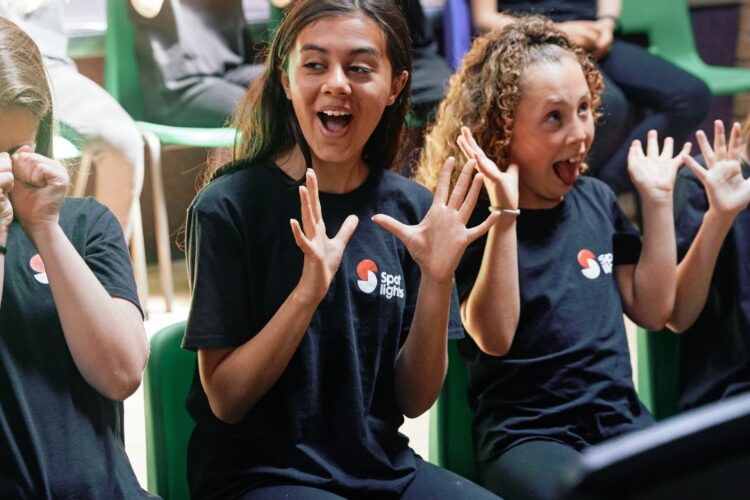


Why Performing Arts Is Important In Children’s Development
Think about the last time you watched your child in a school play or end of term show.
You probably were not just looking at the lines or the dance routine. You were watching their face, their nerves, their pride.
That is a big part of why performing arts is important in children’s development. It gives children a safe space to try new things, build confidence and practise the kind of communication skills they need in everyday life, not just on stage.
Quick overview: what performing arts can give your child
| Area of growth | What children get in real life |
| Confidence | Speaking up in class, trying new clubs, coping with “butterflies” before new situations. |
| Social skills | Sharing ideas, taking turns, working towards a shared goal with a small group. |
| Communication | Clear speech, better listening, reading body language and other non verbal communication. |
| Emotional resilience | Handling nerves, mistakes and feedback without crumbling. |
| Creativity | Coming up with new ideas, flexible thinking, problem solving skills. |
| Physical development | Balance, coordination, fitness from dance and movement. |
Brains and feelings: what changes under the surface
When children join musical theatre classes at a young age, a lot happens behind the scenes in their thinking and emotions.
- Thinking skills without endless worksheets
Remembering lines, keeping a beat, or knowing when to come in on a song all use memory and focus. Studies show that children who take part in arts regularly tend to do better overall at school, including higher self esteem and stronger learning habits. It is not magic, it is practice: they use their brain in different ways, so concentrating in class feels more natural. - Emotional intelligence in everyday life
In drama, children step into someone else’s shoes. They play a worried character, an excited one, a cross one. That helps them spot those feelings in themselves and other people. So when life throws them new challenges, they already have some emotional skills to lean on. - Self confidence that builds slowly
Performing in front of others is a big deal. The first time, most children feel nervous. The tenth time, they still feel nervous, but they now know they can get through it. Large UK studies have found that arts involvement is tied to higher levels of self esteem, especially when it happens most days or most weeks. That steady drip of “I did it” moments makes a difference to how children see themselves.
Once children feel a bit steadier in their own skin, it becomes much easier for them to mix with others and make new friends.
Friends, teamwork and seeing the bigger world
Performing arts are very social by nature. Children rarely rehearse on their own, they work with a small group, towards a shared goal and learn why teamwork is important in theatre.
- Important social skills without a lecture
During rehearsals, children have to listen, take turns, share ideas and sometimes deal with disagreements about how to do a scene or dance. Studies on drama and theatre based work show clear benefits for social skills and communication, especially when children work together over time. This kind of practice helps children solve problems with others rather than always asking an adult to step in. - Communication that feels natural, not forced
On stage, children use both words and body language. They learn how much eye contact matters, how to show emotions on their face and how to project their voice. Research highlights that theatre work can strengthen both verbal and non verbal communication skills, which then spill over into things like class presentations and everyday conversations. In simple terms, children get better at saying what they mean and really hearing what others say. - Cultural awareness as part of the fun
Many shows and songs come from different times and cultures. Children might sing something from another country one week and act out a scene from a classic story the next. Studies on arts education show that this kind of exposure helps young people understand and respect lives that are different from their own. That kind of curiosity and empathy is a useful habit for later life.
All of this is happening while they are also moving, dancing and using a huge amount of energy.
Movement, creativity and that “buzz” after class
Performing arts are not just good for the mind. They also support physical development, creativity and that children need to move.
- Physical activity that does not feel like PE
Dance and movement improve balance, posture and coordination, as well as overall fitness. Research on dance with children shows improvements in motor skills and body awareness, which support both health and confidence. For many children, a dance routine or musical theatre number is easier to enjoy than a traditional sports lesson. - Creativity and problem solving in one go
When children help shape a scene or find a way to show a feeling with movement, they are practising creative thinking. Work on arts education consistently links these activities with better problem solving and flexible thinking in other areas of life. Children learn to come up with new ideas, test them out and adjust, instead of freezing when something is not obvious. - A safe space for big feelings
Musical theatre and mental health go hand in hand. Drama and music give children a safe space to express emotions that might feel too big or messy to talk about directly. Knowing they can “put it into a song” or “act it out” can make strong feelings more manageable.
Different art forms put the focus in slightly different places, which is useful when you are picking classes.
Book A Free Trial
How dance, drama, music and theatre each help
Every strand of performing arts supports child development in its own way.
- Dance supports rhythm, coordination and physical development, while also helping children feel more at home in their own bodies.
- Drama builds empathy, storytelling and strong communication skills, and can be especially powerful for children building self confidence.
- Music sharpens listening, memory and discipline, and studies link it to higher academic performance and focus.
- Theatre and musical theatre blend acting, singing and dancing, pulling together a whole range of skills in one experience.
For some children, one of these will clearly fit their personality. Others enjoy having a taste of all three.
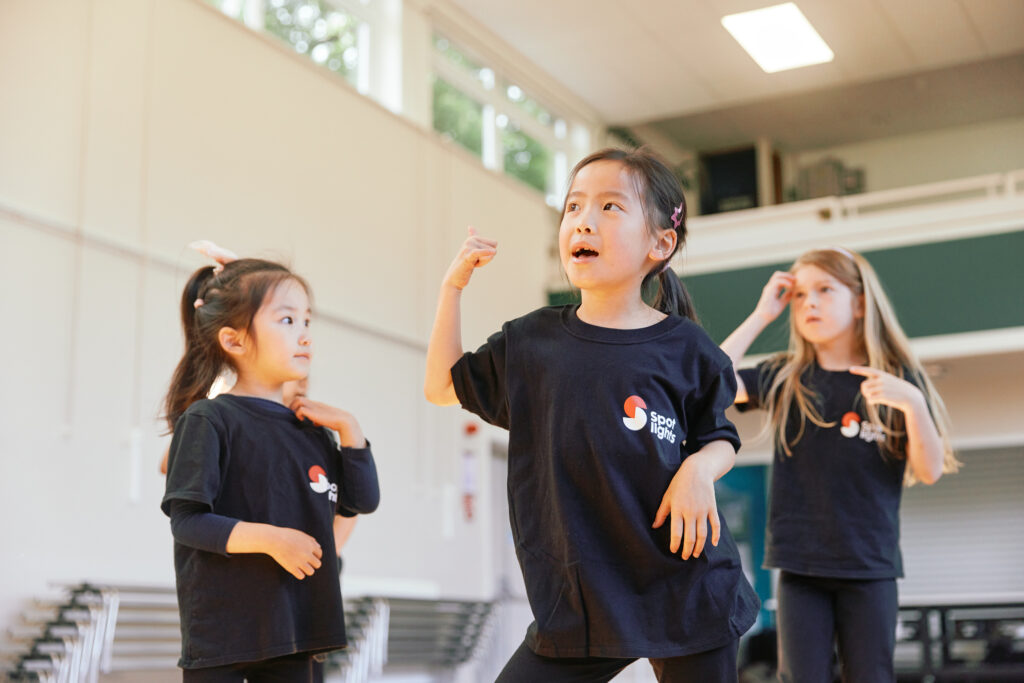
What this looks like at Spotlights Theatre School
Spotlights Theatre School in London puts these ideas into practice through age specific programmes and triple threat training (acting, singing and dancing in one place).
- Children join drama, dance and singing classes in small groups of up to about 20, split by age from 4 to 18, so they are with others at a similar stage.
- The triple threat approach means they are not just learning performance tricks, they are practising a mix of life skills: teamwork, timekeeping, discipline and communication.
- The atmosphere is designed to be warm and encouraging, so children feel safe to try, make mistakes and receive feedback without feeling judged.
In practice, that looks like children working towards a shared show, supporting each other when someone forgets a line, and going home tired but proud.
Final thoughts for parents
If you strip away the costumes and music, the benefits of performing arts are quite simple.
They help children build confidence, social skills, creativity and emotional resilience in a way that feels like fun, not another “thing to do”.
For some children, arts classes become the highlight of the week. For others, they are simply the place where they quietly learn to speak up, make new friends and handle life’s ups and downs with a bit more ease. Our range of weekly classes and holiday workshops cater to children of all ages and skill levels, making it an inclusive and supportive environment for all.
Book your free trial or get in touch for more information!
FAQs
Are performing arts really useful beyond the stage?
Yes. Performing arts provides children with valuable life skills they use every day, not just in a show. Things like teamwork, listening, problem solving and building communication skills count as essential skills for school, friendships and later life.
When is the best time for my child to start?
Early exposure helps, but it is never “too late”. Children who start young can gently build a strong sense of confidence and creativity over time, while older children often pick up skills quickly because they already know what they enjoy.
How do performing arts support shy or anxious children?
Performing arts provides children with a structured, supportive way to try new things without pressure. Shy children can take small steps, like joining in group games or chorus work, and gradually move towards bigger roles as their confidence and communication skills grow.
Spotlights Performing Arts Classes
We have a range of dance, drama and singing classes for children ages 4-18 years.
Find the best performing arts class for your child!